
Scorpion Solitaire
Local record
Keep the order of every hand clear
0
Wins
—
Best time
—
Fewest moves
Cleared deals
This record lives in the current browser only. There is no account, and nothing is synced to another device. Clearing site data, or the button below, removes it.
This cannot be undone. Clear the record stored in this browser?
A legal move is not the same as a winning move
Scorpion is not hard because the rules are hard. It is hard because order matters. Seven columns, same-suit builds, whole-stack moves, and a three-card stock deal into the front columns. The calls that matter are which hidden card turns first, which same-suit run should stay intact, and whether this stock deal opens the hand or blocks it.
Get these four calls right before the hand tightens
Am I turning a hidden card, or only making the tableau look tidy?
The move that turns a hidden card or brings the next buried card closer usually beats the move that only smooths a same-suit run. Scorpion hands often die because the card that needed to flip never did.
Should I break this same-suit run now?
Whole-stack moves are the weapon. If a move only reshuffles runs without a reveal or better stock timing, you are probably paying interest on a bad trade.
Is stock the right click now?
Stock deals one card onto each of the first three columns. Check landings there before you deal. Dealing too early can block the columns that must catch the next three cards.
How close is the auto-clear?
A full King-to-Ace same-suit run clears itself. Sometimes you should build toward that clear; sometimes you should flip a face-down first. Rushing the wrong line can scatter a near-complete run.
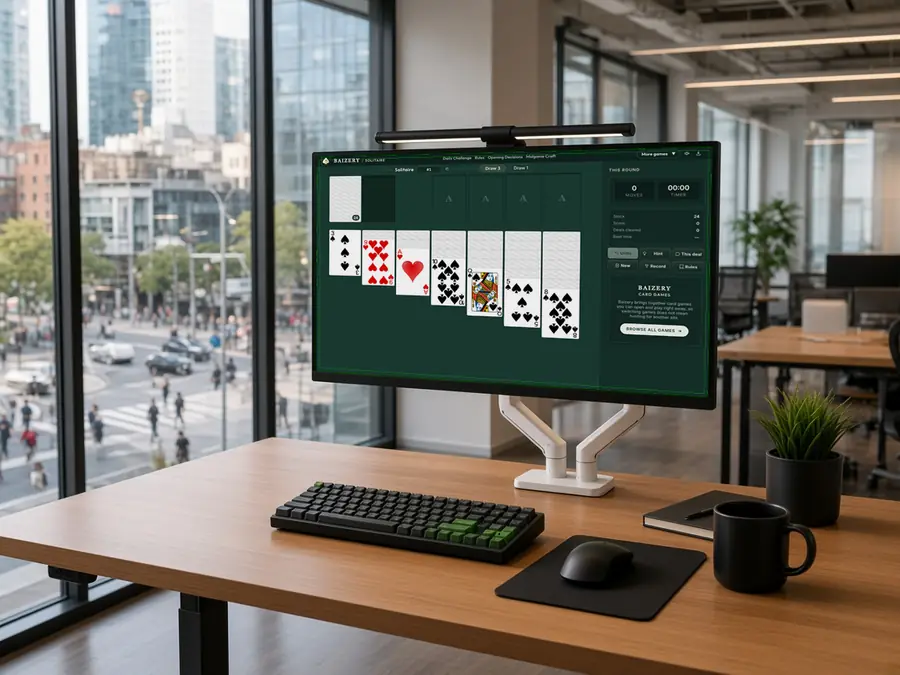
Turn the card that matters first
Do not chase long runs on move one. Start with the column that is one step from the next reveal. Many deals are lost because a face-down never turned, and stock could not fix it later.
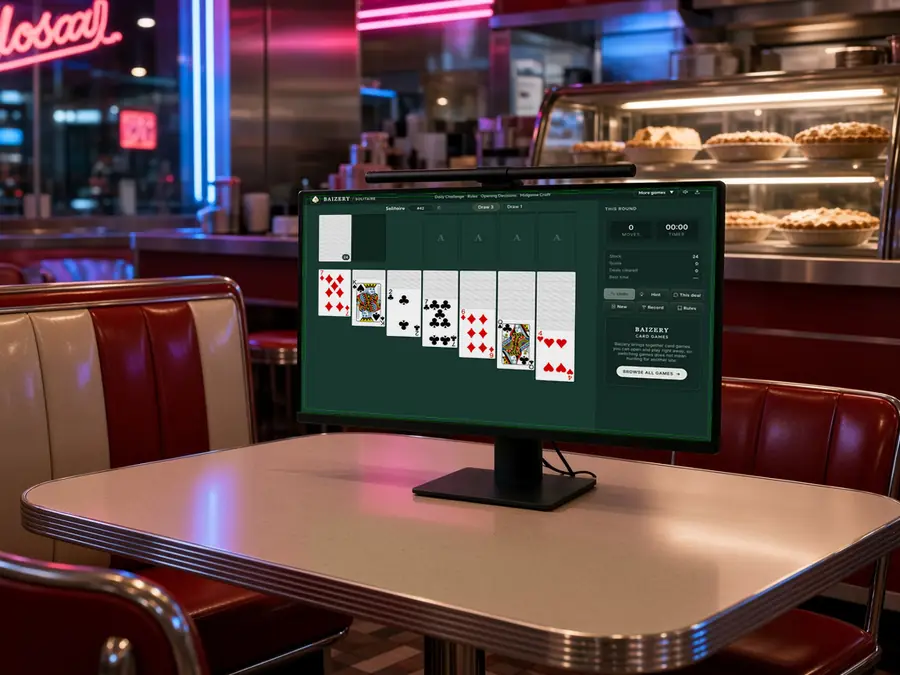
Same-suit runs beat empty columns
An empty column accepts any card, but progress usually comes from movable same-suit descending stacks. Before you split a run, ask whether the landing you get back is worth the cut.
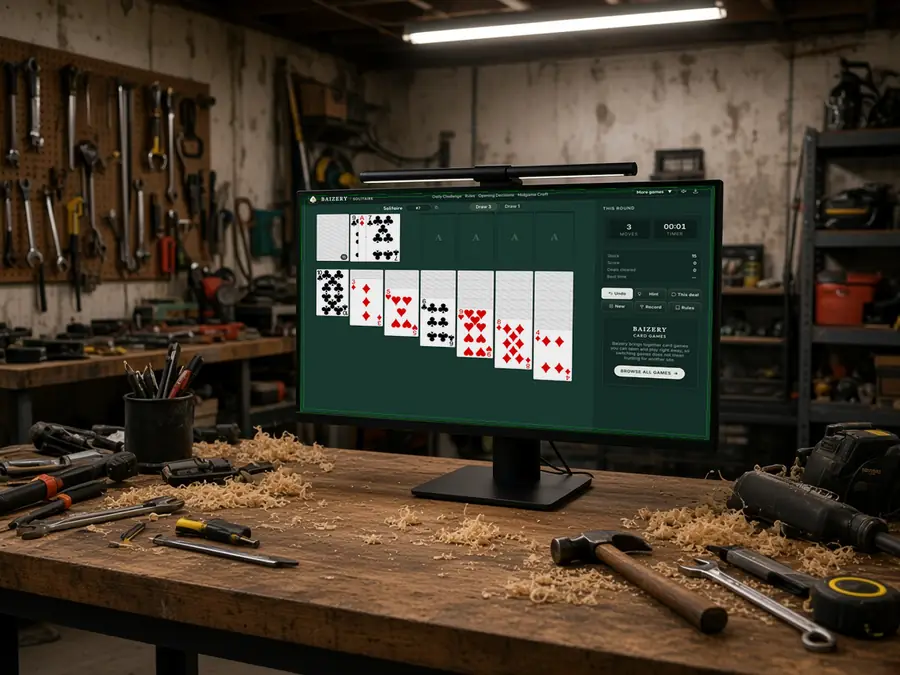
Stock deals are rhythm, not refill
Each stock click drops three cards on the front columns. Deal when those columns can use them, not when you are only stalling. Early deals often clog the tops you need free later.
Frequently Asked Questions
Where do most Scorpion losses really happen?
Usually not at the final stall. The hand often goes bad earlier, when a face-down never flips, a same-suit run splits too soon, or stock deals clog the front columns.
How is Scorpion different from Klondike or FreeCell?
Scorpion builds same-suit descending stacks, whole face-up runs move together, and there is no waste pile or manual foundation piles. A full King-to-Ace same-suit run clears automatically. Win by clearing four runs.
What can land on an empty column?
Any single card. The value is giving runs and face-downs room to breathe, not parking a random middle card.
Should I trust Hint?
Hint marks a suggested origin and landing in the current position. It helps you spot misses, but it cannot tell you whether a move breaks a run you still need.
Why do some hands look smooth and still lose?
A tidy tableau is not the same as a live hand. You can connect plenty of cards and still fail to flip the key face-down or keep a path to four auto-clears.
Why reopen a hand by deal number?
The same deal number always deals the same cards. That lets you review the real turning point: which split was early, which stock deal was premature, or which reveal you delayed.